
EVERBIZ · Regulatory Radar · 12 October 2026

Cover | Image: EVERBIZ
On 17 October 2026, the transition period for halal certification (Sertifikasi Halal) of Class A medical devices in Indonesia ends. “Deadline” and “effective date” are often confused, and the scope is often described as either too broad or too narrow. EVERBIZ has checked the original Indonesian regulations clause by clause, and concludes:
Class A medical devices derived from animals or containing animal components (berasal dari hewan dan/atau mengandung unsur hewan) must hold a halal certificate, or carry “non-halal information” as required by law, to be placed on the market and distributed in Indonesia from 18 October 2026. BPJPH has repeatedly stated publicly that there will be no postponement.
1. First, Distinguish the Three Dates
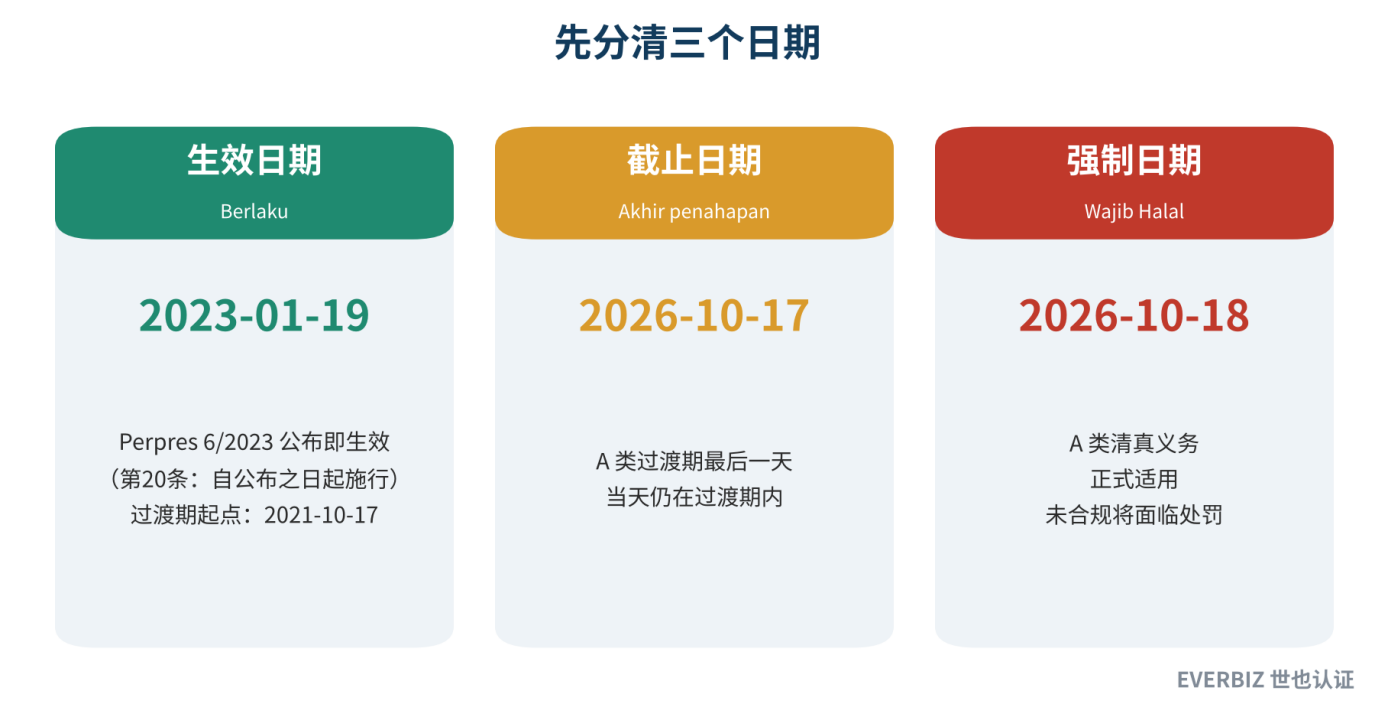
Figure 1 Effective date / deadline / mandatory date | Image: EVERBIZ
The direct legal basis for device halal certification is Perpres 6/2023 (Presidential Regulation on halal certification of drugs, biological products and medical devices), which took effect on publication on 19 January 2023. The phased obligations for Class A devices run from 17 October 2021, with a transition period until 17 October 2026; 17 October is still within the transition period, and the requirement becomes mandatory from 18 October.
2. Legal Basis and Common Misunderstandings
Indonesian halal regulation of devices consists of “one law + a set of implementing regulations”: the parent law UU 33/2014 on Halal Product Assurance establishes the halal obligation; PP 42/2024 (replacing PP 39/2021) sets the phased deadlines for Classes A, B and C; Perpres 6/2023 sets the scope for devices, the Class D deadline and labeling rules; Permenkes 3/2024 details halal production methods and label information; and Peraturan BPJPH 4/2026 governs imports. Checked against the original texts, the following statements are most often wrong:
| Common claim | What the official text says |
|---|---|
| “Deadlines for all of Classes A–D are set by Perpres 6/2023” | Article 13(5) of Perpres 6/2023: Classes A–C follow other regulations (i.e. PP 42/2024); the regulation itself only sets 17 October 2039 for Class D and biological products. |
| “All Class A devices need halal certification” | The halal obligation for devices applies only to those derived from animals / containing animal components (Article 2(6)); devices without animal components are outside the scope of mandatory certification. |
| “Devices containing non-halal materials can no longer be sold” | They may be distributed, but the name of the material must be shown on the label in a different color as non-halal information (Keterangan Tidak Halal, Articles 14–15). |
| “Once you have a halal certificate, you are all set” | Imported products must also complete halal conformity confirmation before customs declaration (Peraturan BPJPH 4/2026), and labels must comply with Permenkes 3/2024. |
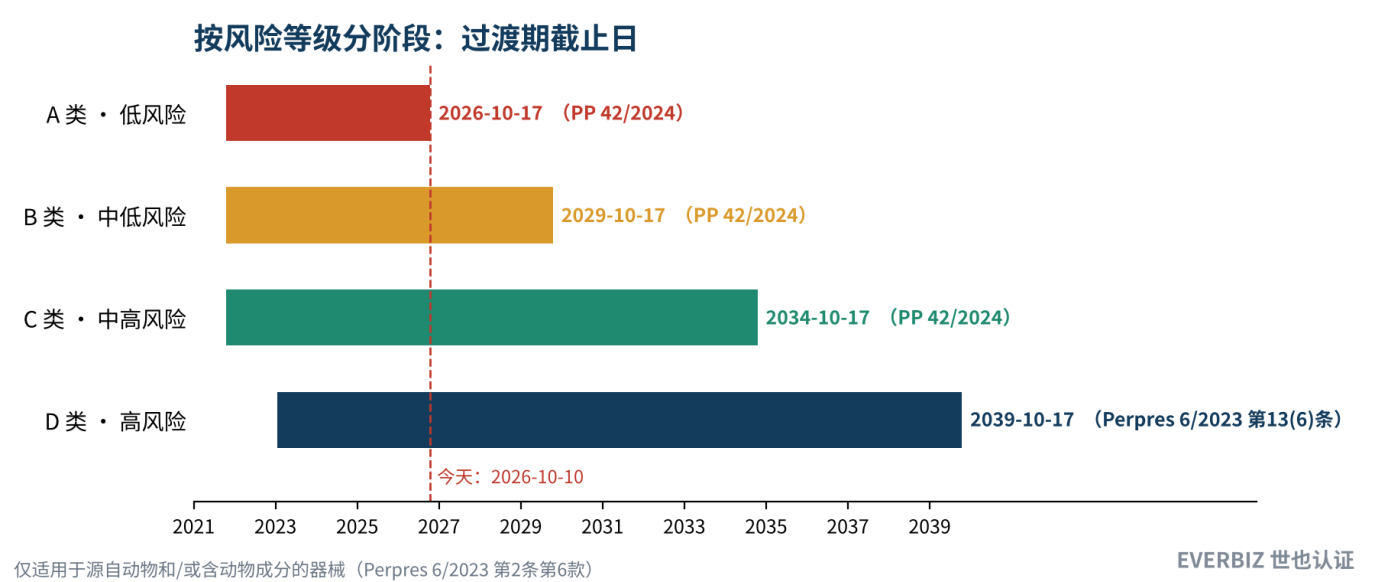
Figure 2 Transition deadlines phased by risk class | Image: EVERBIZ
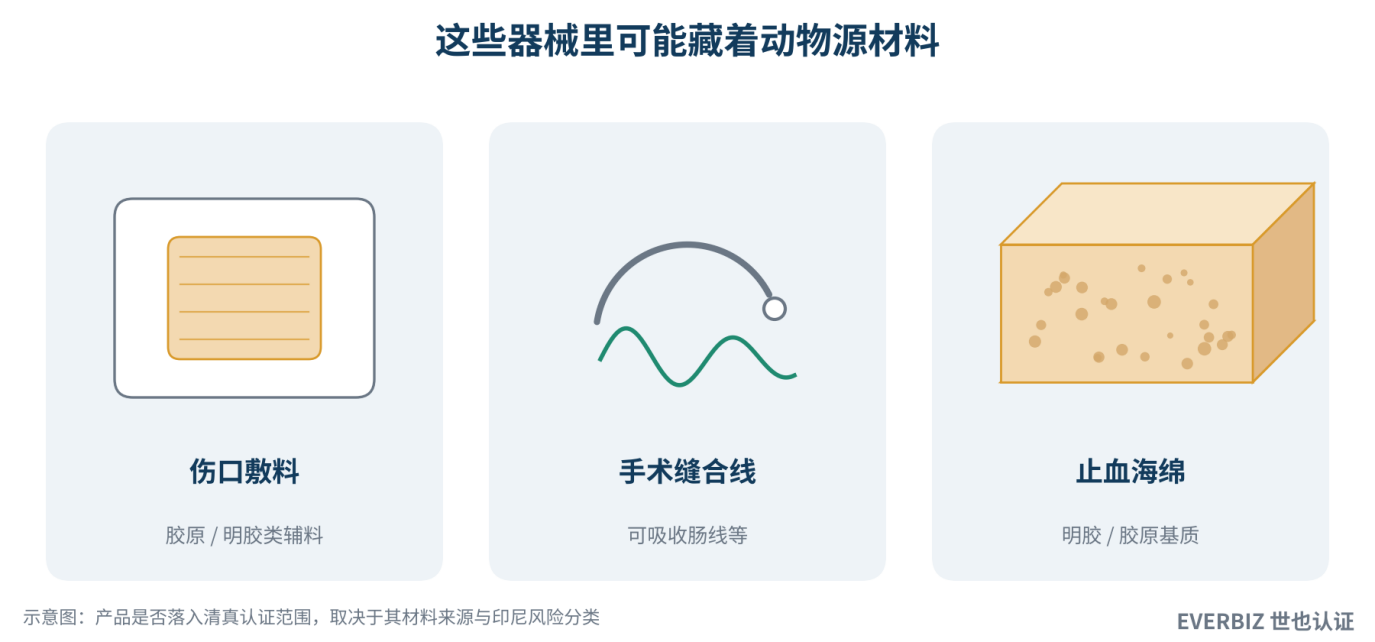
Figure 3 Devices commonly containing animal-derived materials (illustrative) | Image: EVERBIZ
3. Latest Developments (as of 10 October 2026)
- No postponement: BPJPH stated at a parliamentary working meeting in June and again on 9–10 October that implementation will go ahead on 18 October; it is also drafting special implementing rules for micro and small enterprises (UMK) and imported products, with the implementing regulation (Perban) expected shortly.
- Checks at import: Peraturan BPJPH 4/2026 requires imported products subject to halal certification to complete “halal product conformity confirmation” before customs declaration, with a report (LPPH) issued by a designated inspection body as an import document.
- Graduated penalties: non-compliant imported products after October will face graduated penalties, including warnings, fines, certificate revocation and product withdrawal.
4. What Companies Should Do Now
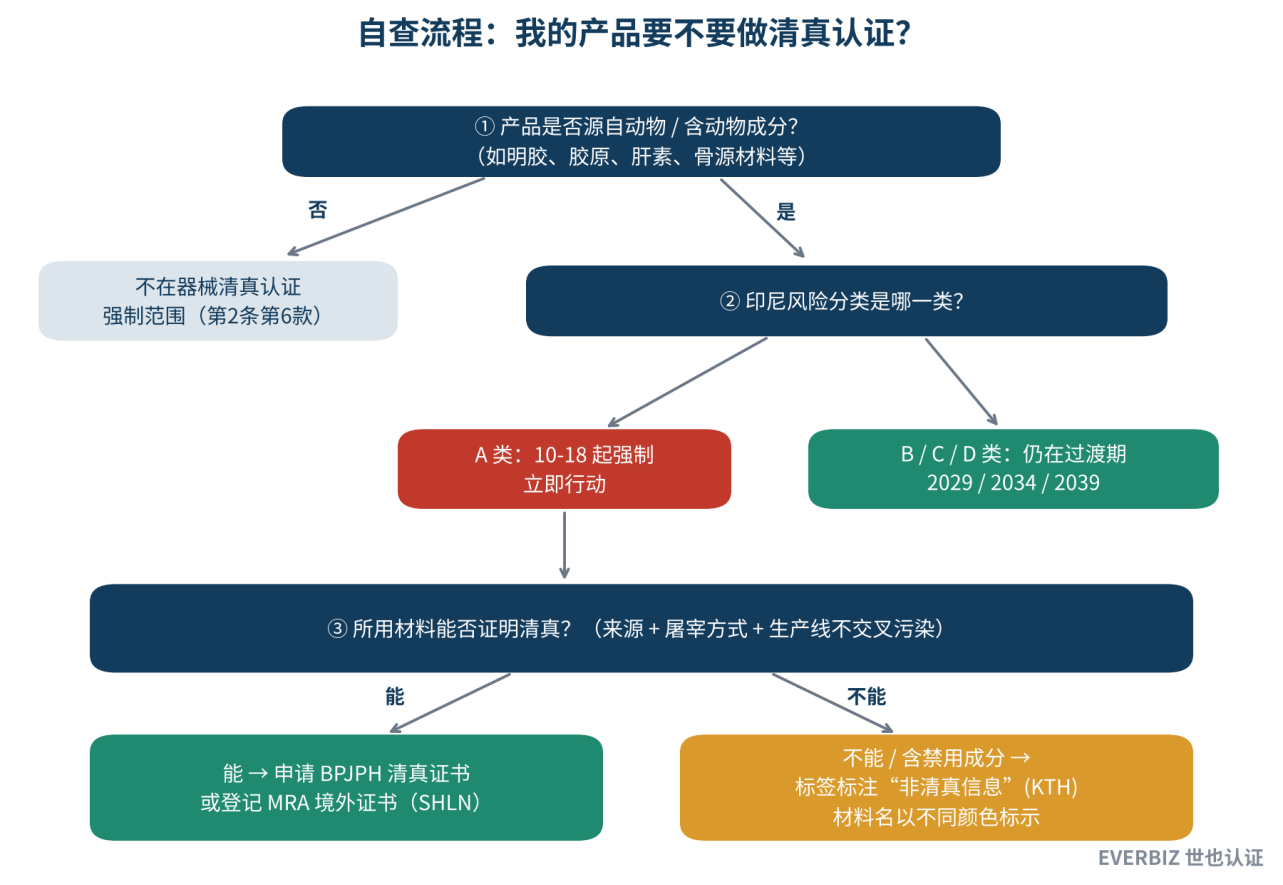
Figure 4 Self-check process | Image: EVERBIZ
- Take stock of products: based on the risk class on the Indonesian marketing authorization (Izin Edar), list Class A devices and check each for animal-derived materials (gelatin, collagen, heparin, bone-derived materials, etc.), including excipients, coatings and packaging contact materials.
- Choose a route: if halal status can be demonstrated, apply for a BPJPH halal certificate or register a foreign certificate under an MRA; if not yet possible, label non-halal information per Articles 14–15 and revise labels and IFUs accordingly.
- Secure the import chain: confirm the conformity confirmation process and documents with your Indonesian importer / marketing authorization holder to avoid delays at customs.
- Watch the implementing rules: assess the impact on transitional arrangements for imported products as soon as they are published.
How EVERBIZ can help
Review of Indonesian device risk classification · Halal risk screening of animal-derived materials · BPJPH halal certificate applications / foreign certificate registration · Label and IFU compliance revisions · Local registration and import support in Indonesia.
For a one-to-one assessment, contact the EVERBIZ team.
Note: information in this article is current as of 12 October 2026, for reference only, and does not constitute legal advice; please refer to the latest official Indonesian publications.
© EVERBIZ original content – please credit the source when republishing.