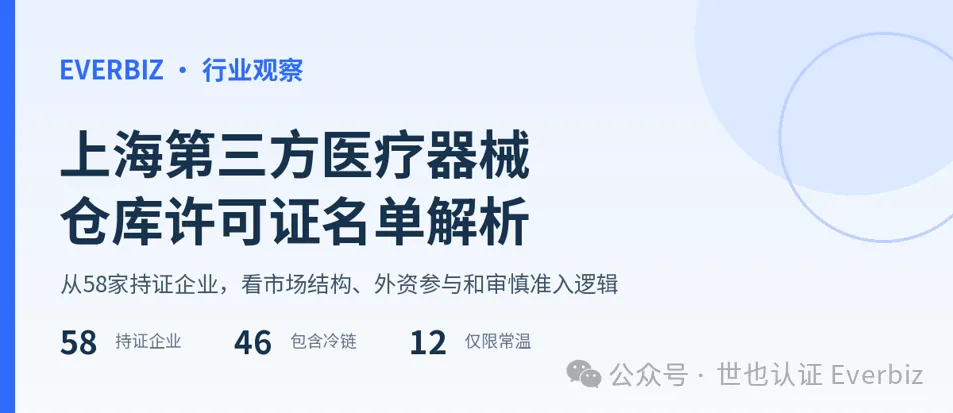
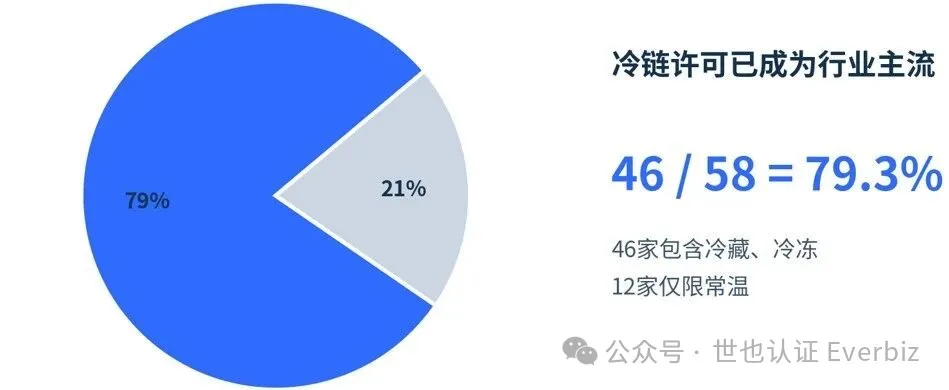
As of 22 August 2026, the Shanghai medical products administration’s public database lists 58 companies whose medical device business licenses explicitly include third-party storage and distribution services. Of these, 46 cover refrigerated and frozen ranges, while 12 are limited to ambient temperature.
These 58 companies are not ordinary traders of Class III medical devices; they are license holders able to provide professional warehousing and distribution services to other medical device manufacturers and distributors.
The point about this Class III business license is that not every company with warehouses, cold stores and logistics capability can simply obtain it. Third-party medical device warehousing is essentially a high-risk, heavily regulated professional service.
In the industry this qualification is commonly called a “third-party medical device warehouse license” or “medical device third-party logistics license”. Strictly speaking, it is still a Medical Device Business License, but the mode of operation must explicitly include “providing storage and distribution services to other manufacturers and distributors” or, under the current rules, “specialized medical device transport and storage services”.
Figure 1: Temperature-zone structure of the 58 license holders
Of the 58 companies, 46 (about 79%) have licenses covering refrigerated and frozen storage. This means cold chain is no longer an add-on for a few companies but the mainstream configuration in Shanghai’s third-party medical device warehousing market.
With growing storage demand for IVD reagents, temperature-sensitive consumables and some implantable and interventional products, competition in the industry has shifted from “having a warehouse” to “stably managing different temperature zones, achieving full traceability and continuously withstanding regulatory oversight”.
02 | Where Are the License Holders Concentrated?
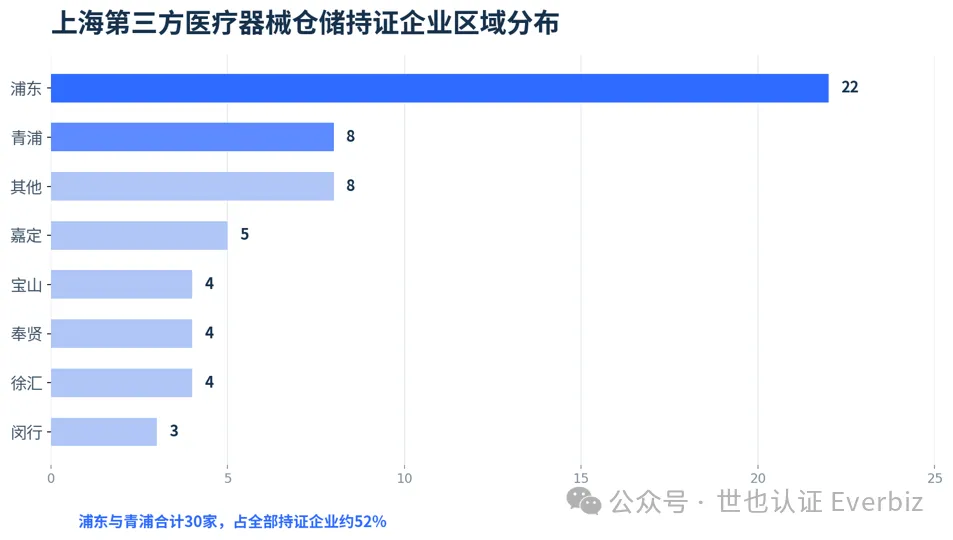
Figure 2: Distribution of license holders by Shanghai district
Pudong has 22 and Qingpu 8 – together 30, about 52% of all license holders. Next come Jiading with 5; Baoshan, Fengxian and Xuhui with 4 each; and Minhang with 3.
Pudong concentrates resources for imported medical devices, bonded logistics and cross-border pharmaceutical supply chains around Waigaoqiao, Zhangjiang and the airport; Qingpu has relatively mature logistics parks, trunk transport and cold-chain infrastructure. The geographic distribution of license holders essentially reflects the concentration of Shanghai’s pharmaceutical industry and specialized logistics resources.
However, rich regional resources do not mean a company can simply replicate another warehouse’s capabilities. The license is tied to a specific legal entity, warehouse address and quality system; a group with other warehouses in Shanghai does not automatically qualify for third-party medical device warehousing.
03 | Which Companies Are in This Market?
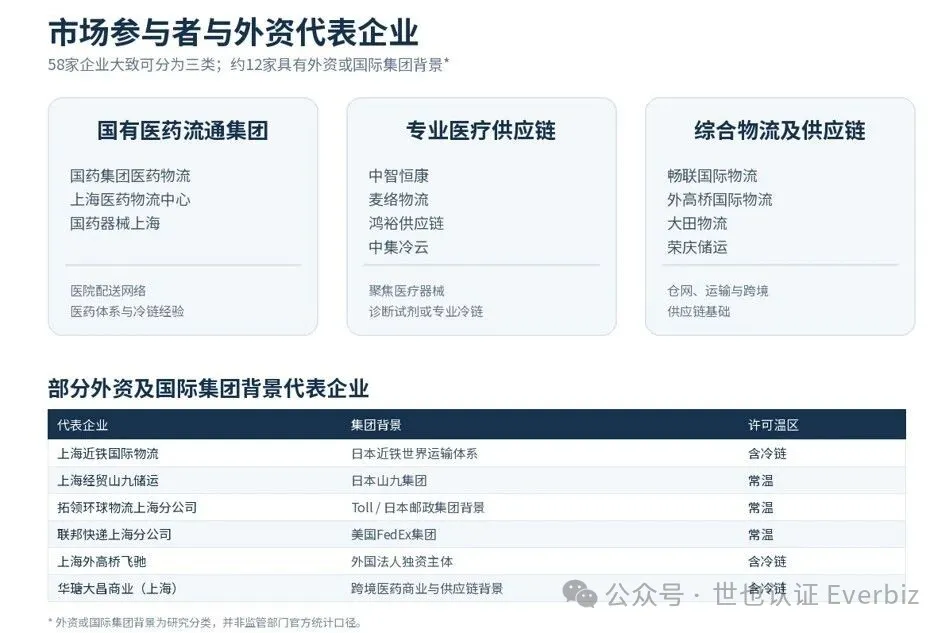
Current license holders fall roughly into three groups: state-owned pharmaceutical distribution groups, specialized medical supply chain companies, and companies that have extended from general logistics and cross-border supply chain businesses into medical devices.
Figure 3: Company types and selected representatives with foreign or international group backgrounds
Cross-analyzing company registration type and group background, about 12 companies have foreign-invested, overseas legal entity or international group backgrounds, including Shanghai Kintetsu World Express, Shanghai Jingmao Sankyu Storage & Transportation, Toll Global Logistics Shanghai Branch, FedEx Shanghai Branch, Shanghai Waigaoqiao Feichi and Huatang DKSH Commercial (Shanghai).
Note that “foreign or international group background” is a classification made by EVERBIZ in its market research, not an official statistic from the Shanghai Medical Products Administration. Holding a license also does not mean a company necessarily offers warehousing to all unrelated customers – intra-group warehousing, service for specific customers and open third-party business still differ.
04 | Why Is This License Hard to Obtain?
The real difficulty is not submitting a set of application documents, but bringing the warehouse, personnel, information systems and real business together under a medical device quality management system, and demonstrating during on-site inspection that the system can operate on an ongoing basis.
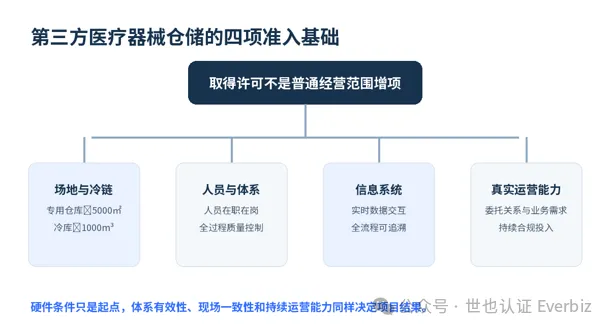
Figure 4: The four foundations for third-party medical device warehousing
-
Warehouse and cold-chain facilities
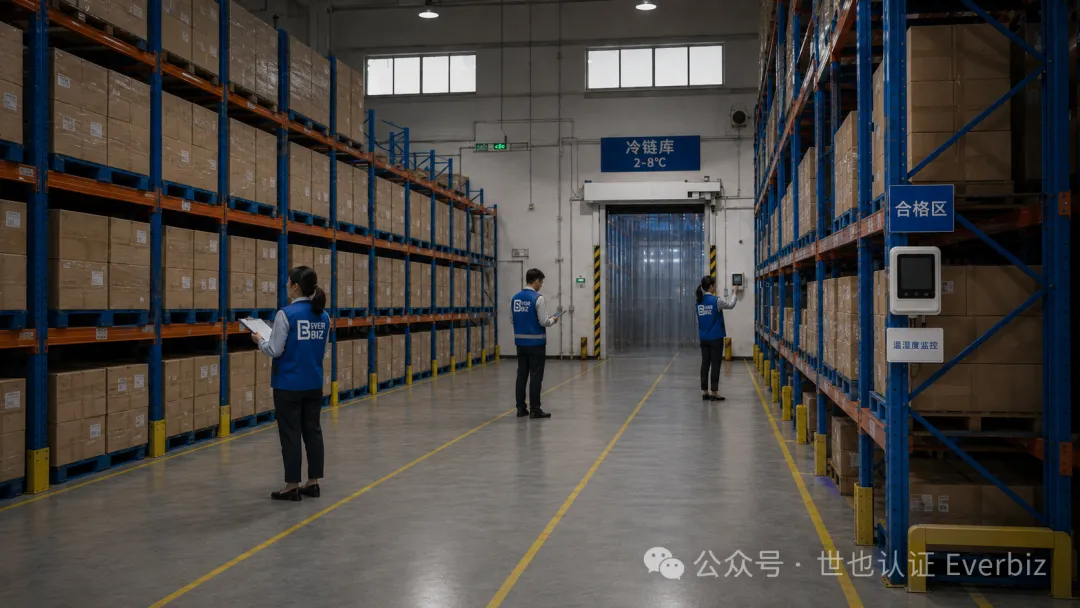
Current Shanghai rules require companies providing specialized medical device transport and storage services to have a dedicated medical device warehouse of at least 5,000 m²; those also applying for refrigerated and frozen ranges need a separate cold store of at least 1,000 m³. These are dedicated areas managed under the medical device quality system, not simply the sum of all the company’s ordinary warehouse space.
-
Quality system and qualified personnel
Companies must establish quality control covering the whole process – receiving, acceptance, put-away, in-storage management, dispatch, transport, returns, non-conforming products and recalls. The quality manager and quality staff must actually be employed and on duty, not just appointed temporarily for the application.
-
Information systems and regulatory data
An ordinary logistics WMS may not meet the requirements. The system must provide product traceability, exchange data electronically in real time with clients for master data, receiving, inventory and dispatch, and be able to provide authorities with information on clients, products, inbound, inventory, outbound and transport.
-
Ongoing compliance capability
After licensing, companies remain subject to ongoing supervisory inspections. Licensed warehouses may not be used for other purposes, and documents, system data and actual operations must remain consistent; cold stores, temperature monitoring, alarms, transport validation and exception handling must also produce genuine, continuous records.
05 | Is Shanghai Limiting the Number of Licenses?
Based on public regulations, there is currently no evidence that Shanghai has set an explicit cap on third-party medical device warehousing licenses, nor any administrative quota of “only so many approvals per year”.
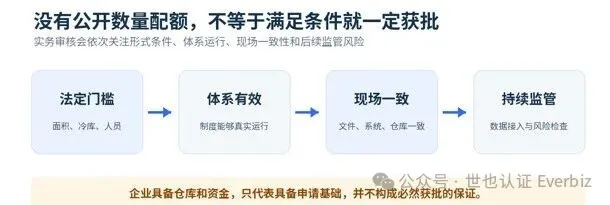
Figure 5: Prudent admission in the absence of a public quota
But this type of license clearly involves prudent admission. In Shanghai, licensing and supervision of such companies are handled centrally by the municipal medical products administration; on-site inspections assess not only formal conditions such as floor area, but also whether the quality system is genuinely effective, whether the warehouse and system are consistent, and whether the company can bear third-party quality responsibility in the long term.
A third-party warehousing company may serve dozens or more medical device manufacturers and distributors. If warehousing, cold chain or information systems get out of control, risks are rapidly amplified along the supply chain. Authorities therefore pay closer attention to the company’s overall qualifications, genuine business need, management maturity and capacity for continued investment. Some conditions require professional judgment based on the company’s actual operating model, rather than simply “checking a list and issuing a license if met”. In addition, the Shanghai administration holds an initial interview with the person in charge of the applicant; if the interview does not go well, it may suggest the company withdraw its application.
Based on EVERBIZ’s repeated practical experience, a more accurate understanding is: Shanghai has no public quota, but the regulatory approach is generally prudent and admission in practice is becoming stricter. Having warehouses, cold stores and funding only gives a company the basis to apply – it is no guarantee of approval.
In Q4 2019, the Shanghai Medical Products Administration carried out a special inspection of 20 third-party logistics companies holding the relevant license; by August 2026, this database search found 58 valid records. The number is growing, but in an orderly way, showing that Shanghai supports the development of specialized medical logistics while maintaining high entry barriers through license inspections, data supervision and special inspections.
06 | EVERBIZ’s Experience with Such Projects
The EVERBIZ team has long worked in medical device regulations, business licensing, quality management systems and warehousing compliance, and has participated in and completed many projects involving third-party medical device warehousing, Class III medical device business licenses, cold-chain construction and quality system improvement, building experience across different company types and warehousing models.
In practice we find that what affects the outcome is often not whether a particular document is complete, but whether the company’s site, organization, business model, information systems and on-site operations form a consistent chain of evidence. Many ordinary logistics companies have strong warehousing and transport foundations but still have significant gaps in dedicated medical device areas, quality personnel, client relationships, WMS traceability or cold-chain validation.
-
Early-stage feasibility assessment
Based on the intended applicant entity, warehouse address, existing area, target product categories and temperature-zone needs, EVERBIZ can assess whether the project has a basis for application, the main likely gaps and where investment is needed.
-
Linking the warehouse, cold chain and quality system
We look beyond procedural documents to warehouse zoning, personnel and goods flows, receiving and dispatch processes, temperature and humidity monitoring, cold-chain facilities and actual operations, so that the document system and on-site operations are aligned.
-
Information system and traceability assessment
Addressing the gaps between ordinary logistics WMS and medical device regulatory requirements, EVERBIZ can help companies define functional requirements for master data, client management, receiving and acceptance, inventory, dispatch, transport and regulatory data interfaces.
-
On-site inspection preparation and remediation support
Drawing on previous projects, we can help companies carry out mock inspections, identify problems and verify remediation, reducing inconsistencies between procedures, systems and the warehouse floor.
For companies planning to enter third-party medical device warehousing, we recommend completing a comprehensive feasibility assessment covering site, personnel, systems, cold chain and genuine business need before formally starting the application. The more mature the project foundation, the less uncertainty in the subsequent application.
EVERBIZ’s advice for companies
preparing to enter the medical device field
A third-party medical device warehousing license is not simply an addition to an ordinary logistics business scope, but a systematic upgrade for a company entering professional medical supply chain services.
Shanghai currently has only 58 license holders, not mainly because there are few market participants, but because the business requires a company to combine large-scale dedicated premises, a medical device quality system, qualified personnel, information systems, cold-chain capability and long-term compliance investment. For applicants, “meeting the conditions” is only the starting point; “proving that the system is genuinely effective and can run continuously” is the core.
If your company is planning third-party medical device warehousing, a Class III medical device business license, or construction of an ambient or cold warehouse, contact the EVERBIZ team – we can provide project assessment and compliance support tailored to your site and business model.
EVERBIZ Certification Services (Shanghai) Co., Ltd. (EVERBIZ) is a professional compliance service platform for testing, certification, consulting and training of medical products, dedicated to helping leading medical R&D companies at home and abroad improve their compliance capabilities and competitiveness. The company has offices and branches in Shanghai (China), Hong Kong, Munich (Germany), Salzburg (Austria), Thailand, Vietnam, Singapore and Malaysia, covering nearly 25 industries of compliance products (such as medical devices, new energy, household appliances, lighting, tools, laboratory instruments, machinery, in vitro diagnostics, wireless products and reagents).
Shanghai: Room 909, Building 1, Lane 111 Luxiang Road, Baoshan District, Shanghai, China
Germany: Landsberger Str. 155, 80687 München, Germany
Austria: Innsbrucker Bundesstraße 136/3, 5020 Salzburg, Austria
Hong Kong: Room A1, 11/F Winner Building, 36 Man Yue Street, Hung Hom, Kowloon, Hong Kong
Thailand: 5/32 Baan Klang Muang Monaco, Soi Anamai, Srinakarin Rd., Pattanakarn, Suan Luang, Bangkok 10250, Thailand
Singapore: 133 New Bridge Road #8-1 Chinatown Point, Singapore 059413
Vietnam: 81 Cuxa Phu Lam D, Phuong Binh Phu, District 6, Ho Chi Minh City, Vietnam
Malaysia: Unit No. 92a, Jalan 13/142, Taman Orkid Desa, 56000 Kuala Lumpur, W.P. Kuala Lumpur, Malaysia

Global Regulatory Convergence Accelerates: An In-Depth Look at the IMDRF Regulatory Reliance Playbook
Introduction to EU AI Medical Device Compliance
Hyaluronic Acid Fillers Going to Southeast Asia: Regulatory Focus Points and Document Checklist
Introduction to the GDPR (General Data Protection Regulation) for EU Medical Devices
PPWR – Is Your Packaging Ready?
A Detailed Guide to the Medical Device Classification Determination Procedure